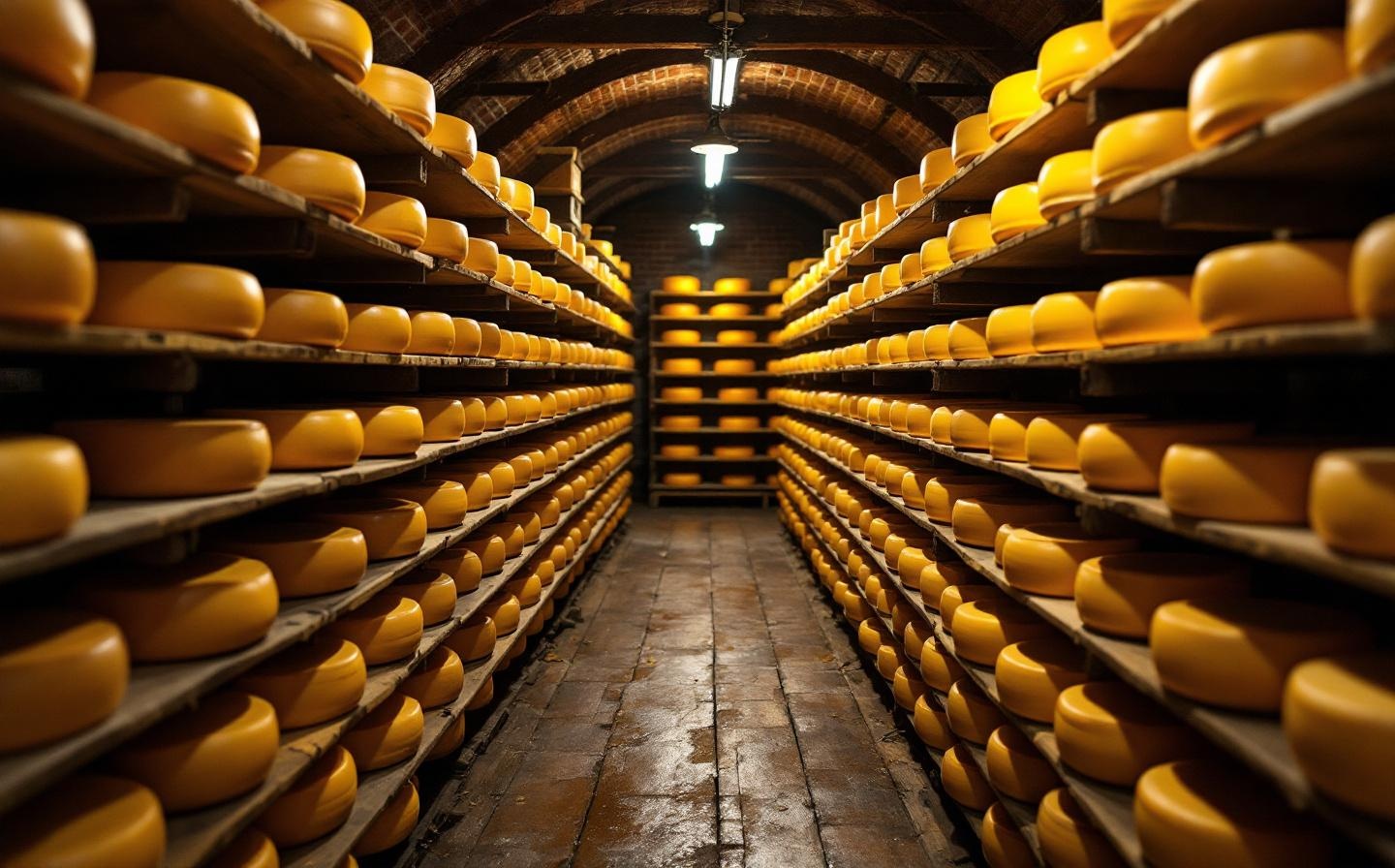
From the journal
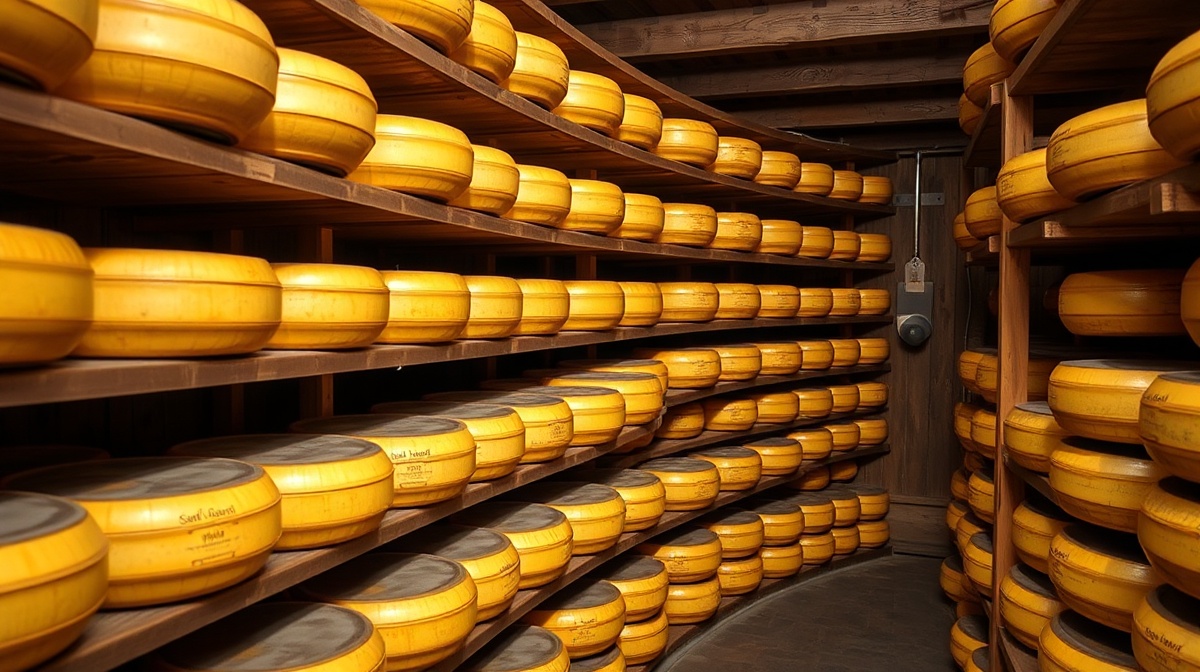
Why we switched back to pine shelves
Plastic boards are easier to sanitise. They also make a duller rind and a flatter flavour. After two experimental batches we went back to pine.
Read more →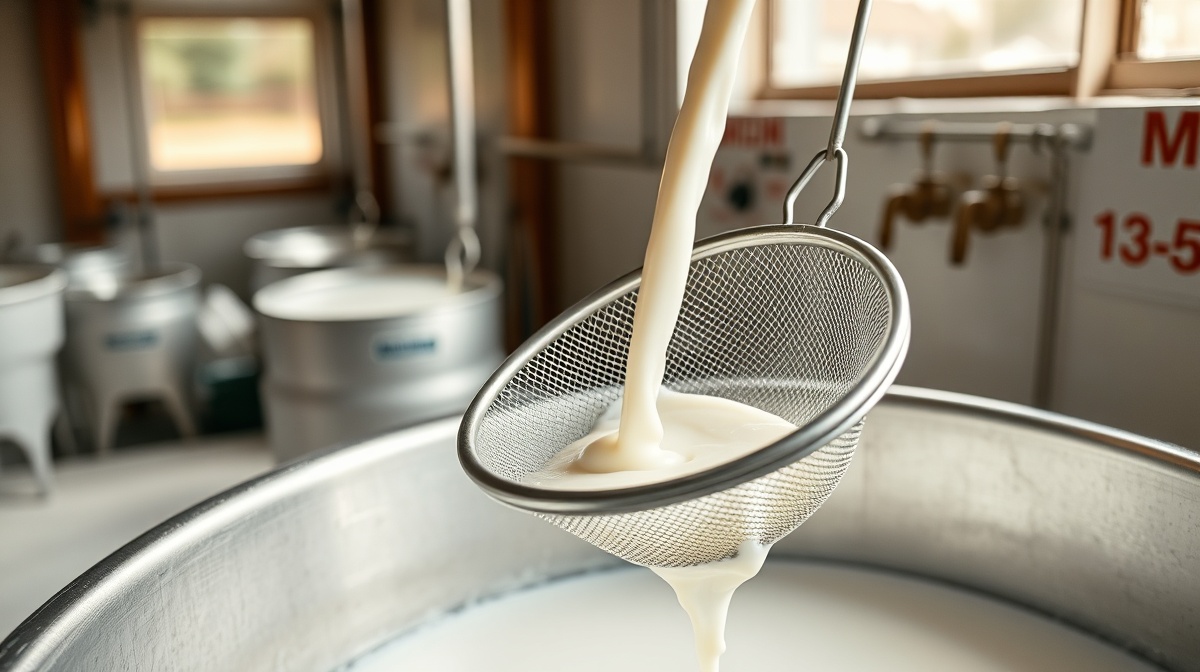
Getting (and keeping) a raw-milk permit in 2025
The paperwork takes about three months. The inspections never really stop. Here is what we learned after our second renewal cycle.
Read more →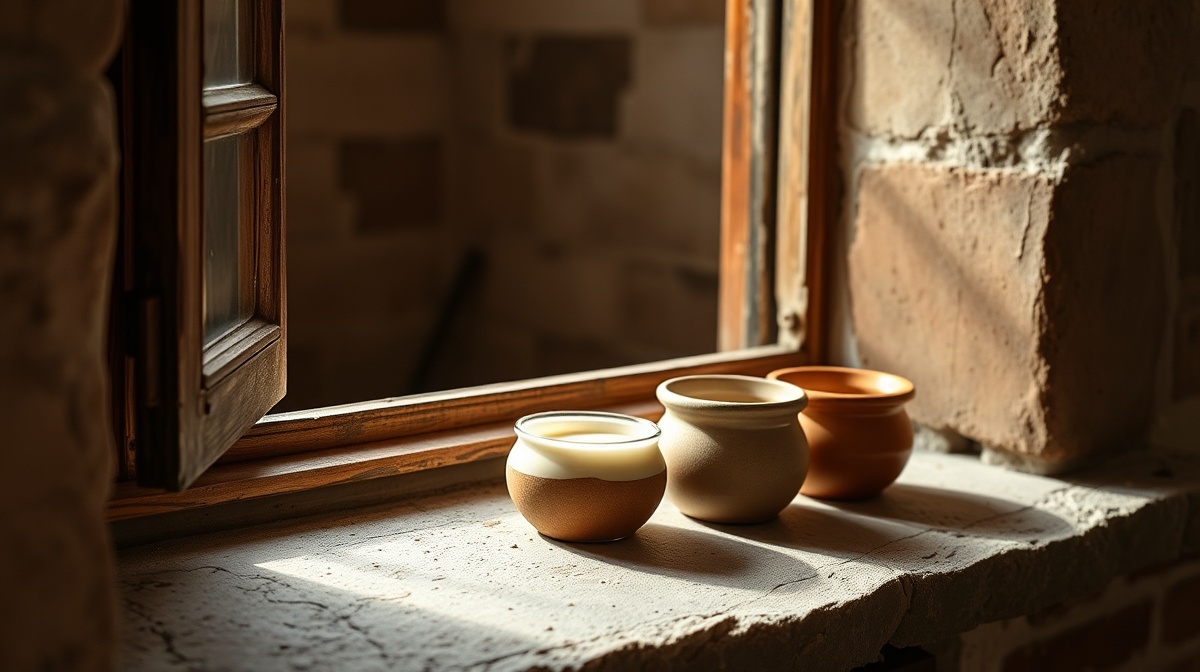
Keeping a back-slop culture alive for fifteen years
Commercial starter cultures are reliable. Our own back-slop, derived from the original herd milk in 2011, produces something no catalogue can replicate.
Read more →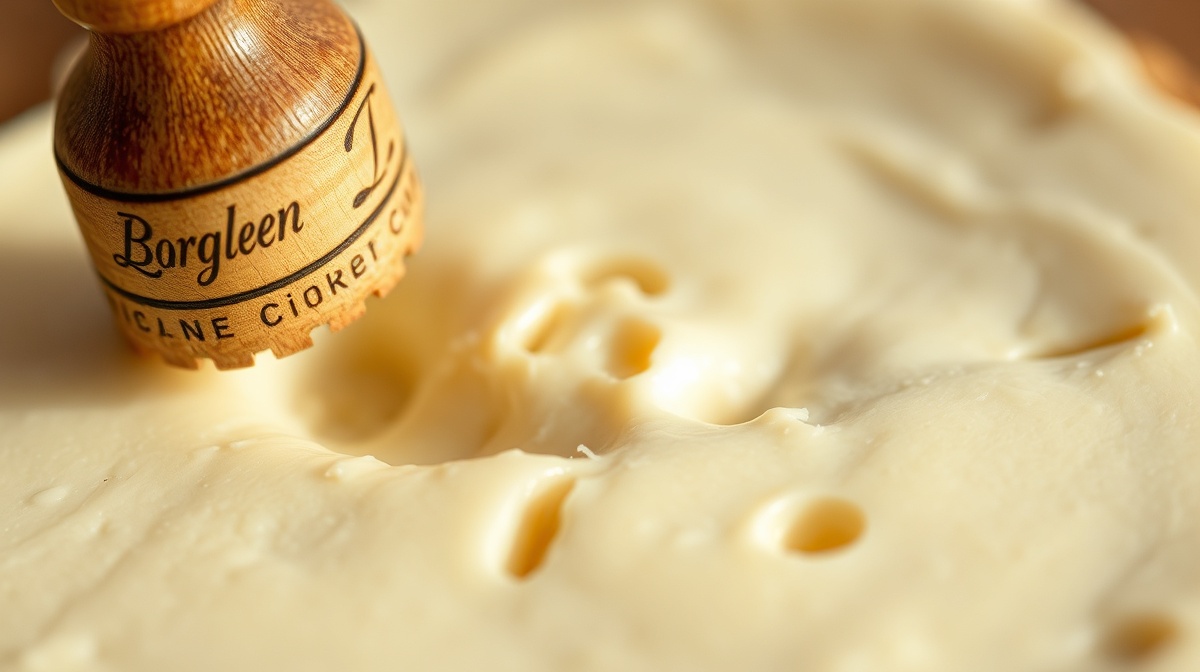
What the boerenkaasmerk actually certifies
The mark is not just a stamp of quality — it is a legal description of a specific production method. Most people who buy our cheese have never read it.
Read more →What we make
Our range is small by design. Every cheese we sell is made from milk that was in the tank less than twelve hours earlier, set with traditional calf rennet, and aged without refrigeration.
- Jong belegen (6 weeks) — mild, slightly springy, good with mustard or pickled gherkins.
- Belegen (4 months) — our most popular. A dry, crumbly interior with a caramel note that develops around the 10-week mark.
- Oud (11 months) — crystalline, sharp, and only available in November when the year's batch is ready. We make about 180 wheels.
- Komijnekaas — caraway-seeded, pressed slightly harder than the plain rounds, aged 5 months.
We sell at the Saturday market in Alkmaar and through a small number of Amsterdam delicatessens. There is no webshop — perishable post in the Dutch summer is not something we are willing to test.